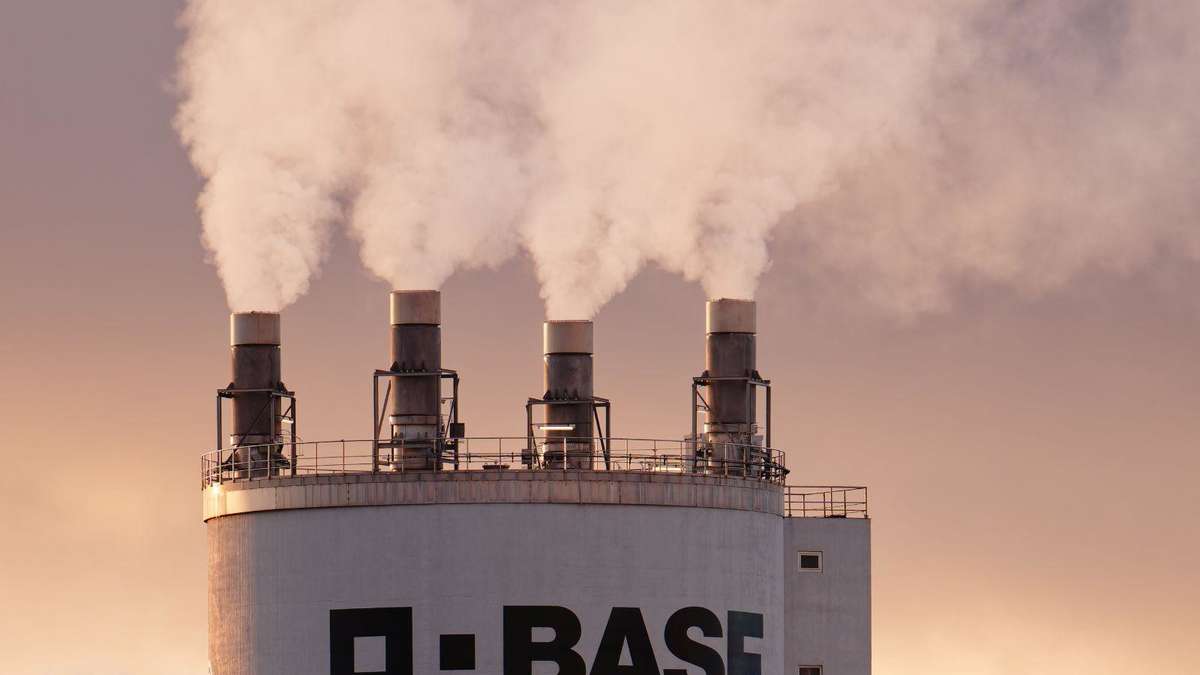
BASF Accidents: Navigating Unclear Causes and Pressing Worker Safety Concerns
In the vast, intricate world of industrial operations, safety is paramount. Yet, even in highly regulated environments, workplace accidents can occur, often leaving behind a trail of unanswered questions and injured personnel. Recent incidents at BASF facilities in Ludwigshafen, Germany, have brought these critical issues to the forefront, highlighting not only the immediate dangers faced by workers but also the persistent challenge of determining the root causes of such unfortunate events. The term "Arbeitsunfall BASF Werk" (workplace accident BASF plant) underscores a recurring concern within the industrial landscape, particularly when incident causes remain shrouded in mystery.
These events prompt a closer examination of industrial safety protocols, the role of external contractors, and the inherent complexities of investigations in large-scale chemical plants. When causes remain unclear, it not only impacts trust but also complicates the implementation of targeted preventative measures, leaving a shadow of uncertainty over worker well-being.
Recent Incidents at BASF Ludwigshafen: A Pattern of Unclear Causes
The past year has seen multiple reports of workplace accidents at BASF's sprawling Ludwigshafen site, a critical hub for the chemical giant. What connects several of these incidents is the perplexing lack of immediate clarity regarding their genesis, raising important questions about operational oversight and incident analysis.
The Fire Extinguishing Pipeline Incident: Four Injured, Causes Unknown
One notable incident occurred in the North Plant of BASF Ludwigshafen, involving four employees of an external contracting firm. During what was described as assembly work on a newly constructed fire extinguishing pipeline, an unforeseen event transpired, resulting in injuries. Two of the workers sustained severe injuries, necessitating inpatient hospital care, while the other two received treatment for lighter injuries.
The details that emerged painted a picture of a sudden, unexpected failure. The pipeline, identified as a 40-centimeter diameter segment, was reported to be empty and not yet operational at the time of the incident. Initial findings by the relevant supervisory authority, the SGD Süd in Neustadt, suggested the accident occurred during sealing work on this new fire extinguishing ring line. Despite these operational details, the exact cause of the pipeline's failure and the mechanism of injury remained officially "unclear" according to company statements. For more specific information about this incident, you can refer to our detailed coverage: Fire Pipe Incident at BASF Ludwigshafen: Cause Still Unclear.
Immediately following the incident, construction work at the affected location was halted, and the site secured and cordoned off, underscoring the seriousness of the event and the need for a thorough investigation. BASF's own emergency medical services provided initial treatment to the injured, demonstrating the company's internal capacity for rapid response in critical situations.
Another Unexplained Injury in the South Plant
Just days prior to the pipeline incident, another separate workplace accident unfolded in the South Plant of the same BASF facility. In this instance, a BASF employee sustained a hand injury while working on a plant. Similar to the larger incident, the company's official statement cited "hitherto unexplained causes" for the injury. The employee received initial treatment from the BASF rescue service on site before being transported to a nearby clinic for further medical attention. Both incidents, while differing in scale and specific circumstances, shared a common and concerning element: the initial ambiguity surrounding how and why they happened.
Decoding the "Unclear Causes": Challenges in Industrial Accident Investigations
The repeated occurrence of "unclear causes" in accident reports from a leading industrial player like BASF is a point of concern for worker safety advocates and regulatory bodies alike. Why is it often so difficult to pinpoint the exact sequence of events leading to an industrial accident, particularly in a highly controlled environment?
- Complexity of Industrial Processes: Modern chemical plants are incredibly complex systems, involving intricate machinery, high pressures, hazardous materials, and multi-layered processes. A seemingly minor malfunction can cascade into a serious incident through a chain of interconnected events, making root cause analysis a painstaking process.
- Multiple Contributing Factors: Accidents are rarely attributable to a single cause. Human error, equipment failure, procedural gaps, environmental conditions, or a combination thereof often play a role. Untangling these interwoven factors requires extensive forensic analysis.
- Ongoing Investigations: Official investigations by regulatory authorities (like the SGD Süd in Germany) and internal company inquiries are thorough but time-consuming. Initial statements often reflect the immediate lack of definitive answers as investigators meticulously collect evidence, interview witnesses, and analyze data. Premature conclusions can be detrimental to accurate prevention.
- Proprietary Information: While authorities are informed, detailed operational specifics surrounding accidents might be considered proprietary or sensitive by the company during ongoing investigations, limiting the extent of public disclosure.
Understanding these challenges is crucial. It does not excuse a lack of clarity, but rather highlights the need for robust investigation protocols and a commitment to transparency once findings are conclusive. The objective is always to learn from such incidents to prevent future recurrences.
Worker Safety: A Critical Focus, Especially for External Contractors
A significant aspect of the pipeline incident was the involvement of employees from external firms. This raises specific questions about the safety responsibilities and protections afforded to temporary or contract workers within large industrial settings. For further insights on this topic, consider reading: Workplace Safety at BASF: External Firms & Employees Injured.
Vulnerability of External Workers
External contractors often face unique challenges regarding workplace safety:
- Less Familiarity: They may be less familiar with the specific site layout, emergency procedures, and unique hazards of a particular plant compared to long-term direct employees.
- Communication Gaps: Potential for miscommunication between the contracting company, the main plant operator (BASF), and the individual workers, especially concerning task-specific risks.
- Pressure to Perform: Contractors might operate under tight deadlines or financial pressures that could inadvertently compromise safety practices.
- Training Discrepancies: While external firms are expected to provide safety training, there can be variations in the depth and relevance of this training to the specific hazards of a host site.
Responsibilities of Main Contractors (Like BASF)
Major industrial players like BASF bear significant responsibility for the safety of all personnel on their sites, regardless of their employment status. This includes:
- Thorough Onboarding: Ensuring external workers receive comprehensive site-specific safety inductions and understand the relevant emergency procedures.
- Clear Communication of Hazards: Proactively informing contractors about all potential hazards associated with their tasks and the specific work environment.
- Adequate Supervision: Providing appropriate oversight to ensure contractors adhere to safety protocols and use correct equipment.
- Safety Culture Integration: Extending the company's safety culture to include all external partners, fostering an environment where safety is everyone's priority.
- Regular Audits: Conducting regular safety audits of contractor performance and equipment.
Enhancing Workplace Safety: Strategies for High-Risk Environments
Given the inherent risks in chemical manufacturing, continuous improvement in safety measures is non-negotiable. Here are key strategies that can mitigate risks and enhance safety for all workers:
- Robust Risk Assessment & Management: Implement ongoing, dynamic risk assessments for all tasks, especially non-routine work. Identify potential hazards, evaluate risks, and put controls in place. Review and update these assessments regularly.
- Comprehensive Training & Retraining: Beyond basic safety, provide specialized training relevant to specific tasks and equipment. For external firms, this means site-specific training before work commences, not just generic modules.
- Fostering a Strong Safety Culture: Encourage open communication where workers feel safe reporting near misses or unsafe conditions without fear of reprisal. Leadership must visibly champion safety.
- Clear Communication Channels: Establish unambiguous communication protocols between different teams, departments, and especially between host companies and contractors. Language barriers should also be considered and addressed.
- State-of-the-Art Equipment & Maintenance: Ensure all machinery, tools, and personal protective equipment (PPE) are regularly inspected, maintained, and certified. Invest in automation where it can reduce human exposure to hazards.
- Emergency Preparedness: Regularly conduct drills for various emergency scenarios, including medical emergencies, fires, and chemical spills. Ensure all personnel, including contractors, know their roles and escape routes.
- Thorough Accident Investigation: When an incident occurs, conduct a deep-dive investigation to uncover root causes, not just immediate triggers. Share lessons learned across the organization and with external partners.
- Technological Integration: Utilize modern safety technologies such as IoT sensors for predictive maintenance, wearable devices for real-time hazard detection, and digital safety checklists.
Conclusion
The incidents at the BASF Ludwigshafen plant serve as a stark reminder of the ever-present challenges in industrial safety. While the precise causes of these Arbeitsunfall BASF Werk incidents may still be under investigation, they collectively underscore the critical importance of unwavering vigilance, transparent communication, and comprehensive safety protocols. For large industrial entities, ensuring the safety of all individuals on their premises, including external contractors, is a monumental but indispensable task. By continually refining risk management strategies, investing in advanced safety technologies, and fostering a robust safety culture that permeates every level of operation and extends to all partners, the industry can strive towards a future where such incidents become increasingly rare, and all workers can return home safely at the end of their shift.